Surface Preparation
Surface preparation is a critical stage in ensuring the correct application and performance of the subsequent coating system.
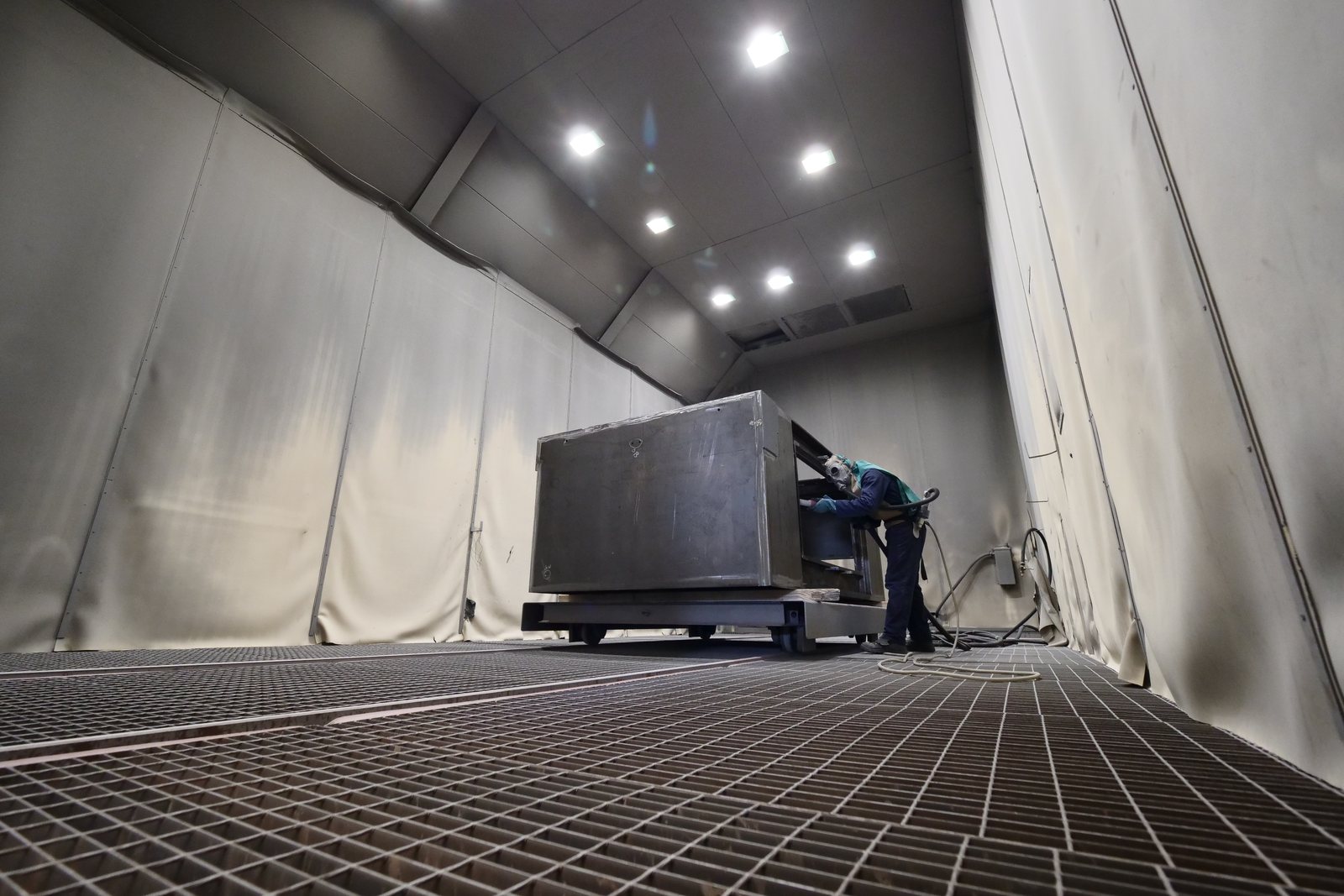
COMMI carries out abrasive blasting and surface preparation of structures, steel fabrications, piping, components and other metal parts, on ferrous and non-ferrous materials, including aluminium, in accordance with the requirements of the Painting Specification and project technical documentation.
On arrival, components are inspected and identified. Before blasting, surface conditions are checked and the parts that must not be blasted, such as threaded holes, machined surfaces and identification plates, are protected.
For steel surfaces, the preparation grade is defined by the project specification in accordance with UNI EN ISO 8501-1:
- Sa 1 — light blast-cleaning
- Sa 2 — thorough blast-cleaning
- Sa 2½ — very thorough blast-cleaning
- Sa 3 — blast-cleaning to visually clean steel
Welds, edges and surface imperfections are prepared and assessed in accordance with UNI EN ISO 8501-3, according to the grade required by the specification.
Abrasives Selected for Each Application
COMMI uses garnet and metallic grit, selected by type and particle size according to the material to be treated, surface condition and the profile required by the project specification. Abrasive selection also takes into account the nature of the substrate and the applicable processing requirements.
GARNET
Non-metallic abrasive
METALLIC GRIT
Metallic abrasive
COMPRESSED AIR CHECK — ASTM D4285
The air used for blasting is checked by blotter test to detect any oil or moisture.
Surface Preparation and Inspection
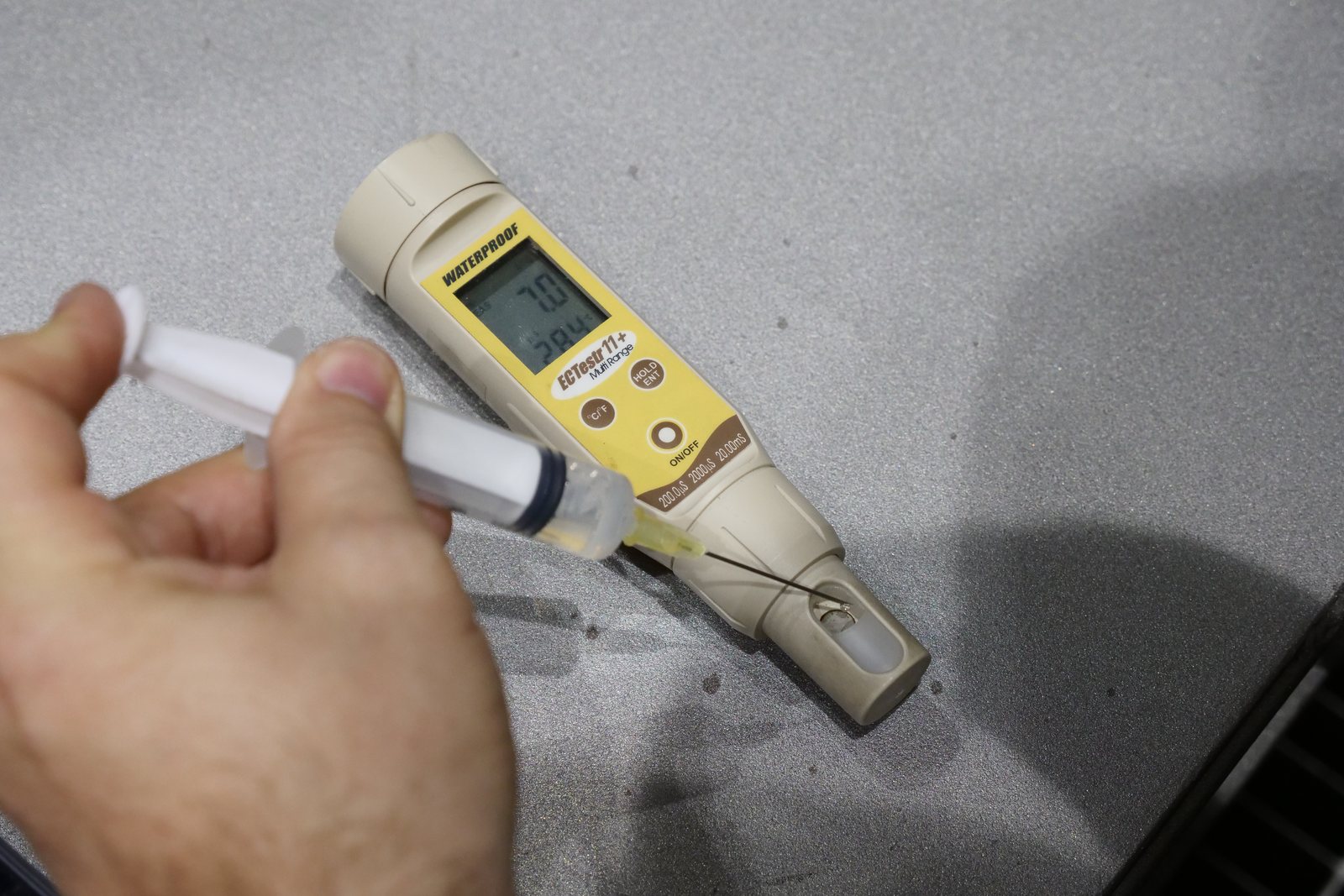
Inspections are carried out throughout the preparation stages, in accordance with the requirements of the project specification and the applicable inspection plan.
01
Environmental Conditions
Air and surface temperature, relative humidity and dew point.
ISO 8502-4
02
Welds, Edges and Imperfections
Inspection of welds, edges and other areas with surface imperfections.
ISO 8501-3
03
Preparation Grade
Visual assessment of the surface preparation grade after blasting.
ISO 8501-1
04
Surface Profile
Measurement of the surface profile obtained by abrasive blasting.
ISO 8503-2 · ISO 8503-5
05
Dust
Check for residual dust on the prepared surface.
ISO 8502-3
06
Soluble Salts
Assessment of surface contamination by extraction and measurement of soluble salts.
ISO 8502-6 · ISO 8502-9
Inspection methods, instruments and related documentation are described in the Quality Assurance & Painting Inspection section.
Capacity
3
Blasting Areas
4,800 m²
Total Covered Production Area
10
Overhead Cranes
up to 10 t
Overhead Crane Capacity
Surface Preparation Is the Foundation of the Coating System
Abrasive blasting is not a stand-alone operation, but an integral part of the coating system defined by the project specification.
Once preparation is complete, the surface is cleaned and undergoes the required inspections before the subsequent coats are applied.
Request a Quote
Every project has its own requirements: specifications, timescales and working conditions. Send us the available documentation: we will assess the activities required and send you our quotation.